Get 10-Year Workmanship Warranty Coverage
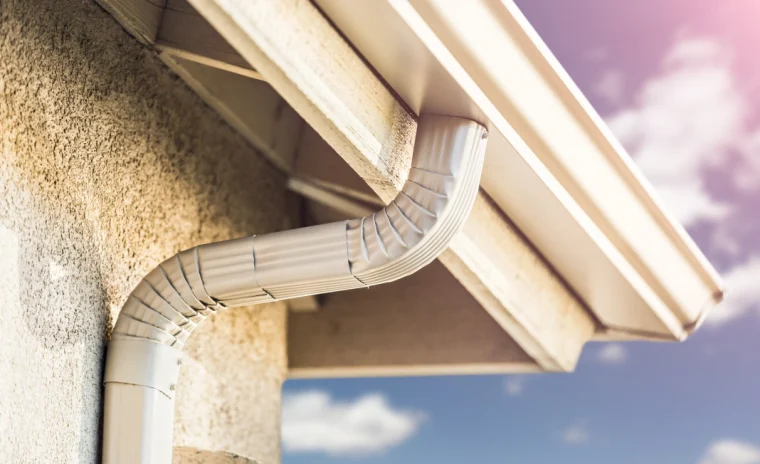
How Drainage Systems Protect Your Property Investment
Your home’s drainage system serves as the first line of defense against water damage, silently channeling thousands of gallons away from your foundation, siding, and landscaping throughout the year. In the greater Seattle area, where annual rainfall exceeds 35 inches, a properly functioning system becomes even more critical to protecting your investment.
Many homeowners underestimate the volume of water their roof collects during our extended rainy season. A typical residential roof measuring 2,000 square feet can shed more than 1,200 gallons of water during a single inch of rainfall. Without proper channels to direct that flow, water cascades directly onto soil adjacent to your foundation, creating hydrostatic pressure that can lead to basement seepage, foundation cracks, and costly structural repairs.
The system itself consists of several interconnected components working together. Horizontal troughs mounted along your roofline collect runoff, while downspouts carry water vertically to ground level. Extensions then direct that flow at least five to ten feet away from your home’s perimeter. When any component fails or becomes obstructed, the entire system’s effectiveness diminishes rapidly.
Western Washington presents unique challenges for these drainage systems. Our mild, wet winters encourage moss and algae growth on roofs, which washes into troughs and creates stubborn blockages. Evergreen trees, abundant throughout Snohomish County, drop needles year-round rather than just in autumn, requiring more frequent attention than deciduous foliage alone. Additionally, our freeze-thaw cycles, though less severe than in other regions, can still cause standing water in clogged channels to expand and contract, weakening seams and fasteners over time.
Understanding how these systems protect your home helps you recognize warning signs before minor issues escalate into emergency repairs. When channels function correctly, they remain virtually invisible in their operation. The moment you notice water spilling over edges, sagging sections, or visible plant growth, the system has already been compromised and requires immediate attention to prevent further damage to your property.
Recognizing Problems Before They Escalate
Recognizing the early indicators of drainage system problems allows you to address issues before they require extensive repairs or replacement. Many warning signs appear gradually, making them easy to overlook during routine property inspections. However, catching these symptoms early can save thousands of dollars in water damage remediation and structural repairs.
One of the most visible indicators is water staining or streaking on your exterior siding and fascia boards. These dark vertical lines typically appear during or immediately after rainfall, signaling that water is overflowing rather than flowing through the proper channels. In Everett’s consistently damp climate, these wet conditions also create ideal environments for mold and mildew growth, which can spread behind siding and into wall cavities.
Sagging or pulling away from the roofline represents another critical warning sign. When channels fill with debris and standing water, the added weight can exceed what the fasteners and hangers were designed to support. A single foot of five-inch channel filled with water and saturated leaves can weigh more than ten pounds. Across a thirty-foot section, that accumulated weight can bend or detach the entire assembly, creating gaps where water pours directly behind the system and onto your home’s structural components.
Foundation issues often develop more subtly but with far more serious consequences. If you notice soil erosion near your foundation, pooling water after rainfall, or basement moisture problems, your drainage system may be directing water toward rather than away from your home. In Western Washington’s clay-heavy soils, poor drainage can cause foundation settlement and cracking within just a few seasons of inadequate water management.
Pest activity also serves as an unexpected indicator of drainage problems. Mosquitoes breed in standing water, so an increase in these insects around your home often points to water accumulation in clogged channels. Similarly, carpenter ants and termites are attracted to the moisture-damaged wood that results from persistent overflow conditions. When homeowners schedule a professional gutter service evaluation, technicians often discover that what initially appeared to be a simple cleaning issue has created secondary pest and rot problems requiring more extensive intervention.
Finally, visible plant growth, including moss, grass, or even small seedlings sprouting from your channels, indicates that organic material has been sitting undisturbed long enough to decompose into soil. This level of neglect typically takes several seasons to develop but signals that the system has been completely non-functional for an extended period, likely causing hidden damage to other building components.
When to Upgrade or Replace Your System
Establishing a seasonal maintenance routine keeps your drainage system functioning efficiently and extends its operational lifespan significantly. While many homeowners assume that cleaning once per year suffices, the Pacific Northwest’s unique climate and vegetation patterns often demand more frequent attention to prevent costly failures.
In spring, typically March through May, focus on assessing winter damage and clearing accumulated debris from the rainy season. Our region’s heavy winter precipitation can leave sediment deposits and compacted organic material that restricts water flow even after visible debris has been removed. Spring also represents the ideal time to inspect for any separation at seam joints or pulling away from fascia boards that may have occurred during winter storms. Check that downspout extensions remain securely positioned to direct water away from your foundation as landscaping work resumes.
Summer months, particularly June through August, offer the driest conditions for performing more involved maintenance tasks. This season presents the safest time for homeowners to work from ladders, though professional assistance remains the safer choice for multi-story homes. During summer maintenance, inspect for rust spots on metal systems, check that all fasteners remain secure, and ensure proper slope toward downspouts. Even though rainfall decreases dramatically during summer in Western Washington, taking advantage of this dry window prevents scrambling to address problems when autumn rains return.
Autumn, from September through November, represents the most critical maintenance period for homes in Snohomish County and surrounding areas. While deciduous trees contribute their annual leaf drop, our abundant evergreen forests continue shedding needles throughout the season. Many homeowners find that scheduling two cleanings during autumn, one in early October and another in late November, prevents the blockages that lead to winter overflow problems. This is also the time to trim back any overhanging branches that drop debris directly into channels or could fall during winter windstorms.
Winter maintenance, December through February, focuses primarily on inspection rather than intensive cleaning. During occasional dry periods, walk your property’s perimeter during rainfall to observe how water flows through the system. Look for any overflow, unusual sounds, or visible ice formation that might indicate standing water in channels. If you notice problems during winter, addressing them promptly prevents the freeze-thaw damage that can crack seams and separate joints.
For homeowners who find this maintenance schedule overwhelming or lack the equipment to work safely at height, establishing a relationship with qualified professionals ensures consistent care without the personal risk. Regular professional maintenance visits typically cost far less than emergency repairs or the structural damage that results from neglected systems.
Material Selection for Western Washington Weather
Selecting the appropriate materials for your home’s drainage system involves balancing initial investment against long-term performance, maintenance requirements, and aesthetic considerations. The Pacific Northwest’s climate presents specific demands that make certain materials more suitable than others for reliable, extended service life.
Aluminum systems dominate residential installations throughout the Seattle area due to their corrosion resistance, affordability, and versatility. These lightweight channels resist rust even in our persistently damp conditions and accept paint well if you wish to match your home’s exterior color scheme. Most professional installations utilize seamless aluminum sections custom-formed on-site, eliminating the leak-prone joints found in sectional systems. Quality aluminum systems typically last twenty to thirty years with proper maintenance, making them a sound investment for most homeowners.
Copper represents the premium option, offering exceptional durability and a distinctive appearance that develops a protective patina over time. While copper’s initial cost runs two to three times higher than aluminum, the material can last fifty years or more with minimal maintenance. Historic homes and upscale properties throughout King and Snohomish Counties often feature copper systems that complement traditional architectural styles. The material’s natural antimicrobial properties also discourage moss and algae growth, an advantage in our damp climate.
Steel systems, particularly those with galvanized or painted finishes, offer strength advantages for homes with steep rooflines or in areas prone to falling branches. However, steel’s susceptibility to rust in coastal and high-moisture environments makes it less ideal for Western Washington unless specifically treated for corrosion resistance. Homeowners considering steel should verify that the coating system includes adequate protection for marine and high-humidity conditions common throughout our region.
Vinyl systems attract budget-conscious homeowners with their low initial cost and rust-proof composition. However, these plastic channels become brittle over time, particularly during our occasional cold snaps, and lack the structural strength to handle heavy water volume or debris loads. Professional roofing contractors generally discourage vinyl for the Pacific Northwest, where the material’s limitations often result in premature failure requiring complete replacement within ten to fifteen years.
The most critical factor in system longevity is not the material alone but the quality of installation. Proper pitch, secure fastening, correctly sized components for your roof’s square footage, and attention to detail at joints and end caps all contribute more to long-term performance than material selection alone. When evaluating upgrade options, consult with established local professionals who understand regional weather patterns and can recommend solutions proven to perform in Western Washington’s unique conditions. Their experience with what works reliably in our climate helps ensure your investment delivers decades of dependable protection for your home.
Professional Installation Versus DIY Approaches
Choosing the right materials for your home’s drainage channels directly impacts how well they withstand the Pacific Northwest’s distinctive weather patterns. Aluminum remains the most popular choice throughout Snohomish and King Counties because it resists rust naturally, handles our frequent rainfall without corroding, and maintains structural integrity through temperature fluctuations that range from winter freezes to summer heat. Seamless aluminum installations eliminate many potential leak points that plague sectional systems, reducing maintenance demands and extending service life well beyond fifteen years when properly maintained.
Copper offers exceptional durability and develops an attractive patina over time, making it particularly suitable for historic homes in Everett’s Riverside neighborhood or custom properties where aesthetics carry significant weight. While copper requires a substantially higher initial investment, it can last fifty years or more with minimal attention, eventually offsetting the cost difference through reduced replacement frequency. Steel options provide strength advantages for commercial applications or homes with particularly steep roof pitches that generate forceful water flow, though they require protective coatings to prevent rust in our moisture-rich climate.
Vinyl presents an economical entry point for budget-conscious homeowners, yet it performs inconsistently in Western Washington conditions. The material becomes brittle during cold snaps and can crack under the weight of wet debris accumulations common during autumn leaf drop. Many local contractors have observed that vinyl systems installed in the late 1990s and early 2000s now require replacement, whereas aluminum installations from the same period continue functioning reliably. When weighing material options, consider not just the purchase price but the total cost of ownership, including cleaning frequency, repair likelihood, and eventual replacement timing. Working with a qualified professional gutter service provider helps you select materials matched to your home’s specific exposure patterns, roof configuration, and long-term maintenance preferences.